
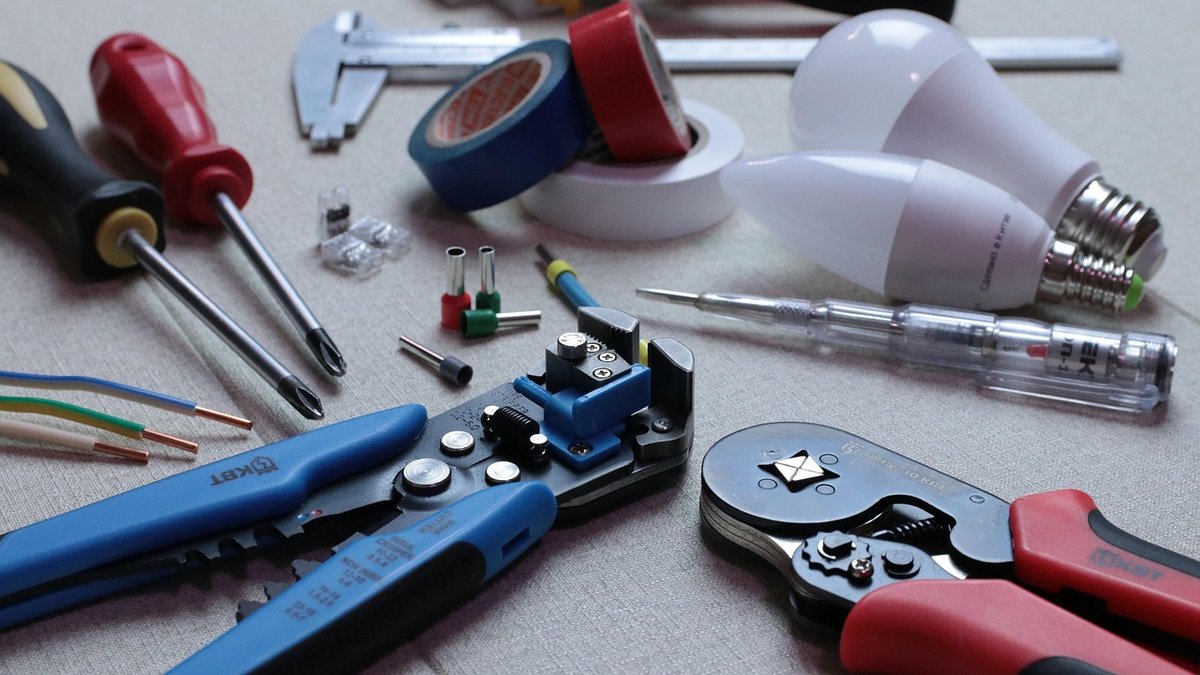
Most boiler manufacturers state plainly in their warranty terms that the appliance must be serviced every twelve months by a suitably qualified engineer. Miss that, and you may find a claim for a failed heat exchanger politely declined — even if the boiler is only three years old. Beyond the paperwork, an annual service is the difference between a boiler that quietly chugs along for fifteen years and one that limps through its first cold snap.
A well-maintained boiler burns gas more efficiently. That means lower bills, fewer surprise breakdowns, and a much smaller chance of carbon monoxide going unnoticed in your home. For landlords, an annual gas safety check is a legal requirement, and a service is usually carried out at the same visit.
A proper service takes around forty-five minutes to an hour. If an engineer is in and out in ten minutes, be suspicious. A thorough visit should include:
You should receive a written service record, often stamped in the Benchmark log book or handed over as a digital report. Keep it — it is your proof if you ever sell the house, rent it out, or need to claim on the warranty.
The most common mistake is leaving it until the boiler breaks down in November. By then, engineers are booked solid and emergency call-out rates climb steeply. Late summer and early autumn are the ideal months for a service, for a few practical reasons:
If your boiler is serviced in September and something small is flagged, you have weeks to sort it. If the same fault appears in January, you are looking at a cold house and a long wait.
An annual service is the baseline, but some symptoms mean you should not wait twelve months. Book an engineer promptly if you notice any of the following:
Repeated pressure loss is often a sign of a slow leak or a failing expansion vessel. Neither fixes itself, and both tend to get worse once the heating is running daily.
In most parts of the UK, a straightforward annual service sits somewhere between £60 and £120, depending on where you live, the type of boiler, and whether the engineer is servicing a back boiler or an older non-condensing unit. Some firms offer a service plan that bundles the annual visit with priority call-outs and an annual gas safety check — often good value for landlords and for anyone with a boiler over ten years old.
A few sensible checks before booking: confirm the engineer is Gas Safe registered and ask to see the ID card on arrival, check whether the price includes VAT, and ask whether a system cleanse or chemical flush is recommended. If someone tells you the boiler needs replacing on the spot, get a second opinion unless the fault is clear and dangerous.
You do not need to be an engineer to look after your heating. Check the pressure gauge once a month and top it up to between 1 and 1.5 bar when cold if it has dropped. Bleed radiators at the start of autumn if they are warm at the bottom and cold at the top. Keep the boiler cupboard ventilated and clear of clutter, and make sure nothing blocks the flue outside.
Run the heating for ten minutes every few weeks during summer, even on a warm day. It keeps the pump and valves from seizing and stops condensate traps from drying out. And if you have a magnetic filter fitted, ask your engineer to clean it at each service — it is one of the cheapest ways to protect the whole system.
Book the service, keep the paperwork, and your boiler will repay you with quiet, efficient warmth when you need it most.

Hi, my name is Anthony kuber. I am artist and fashion designer.
I love to travel and writing blogging.
Your email address will not be published. Required fields are marked *
Software Developer & Writer
Hey, I'm Diva, a developer and writer blending code and creativity. I'm driven by a deep curiosity and a relentless pursuit of excellence. Join me as I craft digital solutions and captivating stories.


